
Geotechnical Investigation & Engineering
Ground investigation that gives your design engineer the strata data needed for substations, cable routes and civil structures — scoped, tested and reported with care.
How a geotechnical investigation works
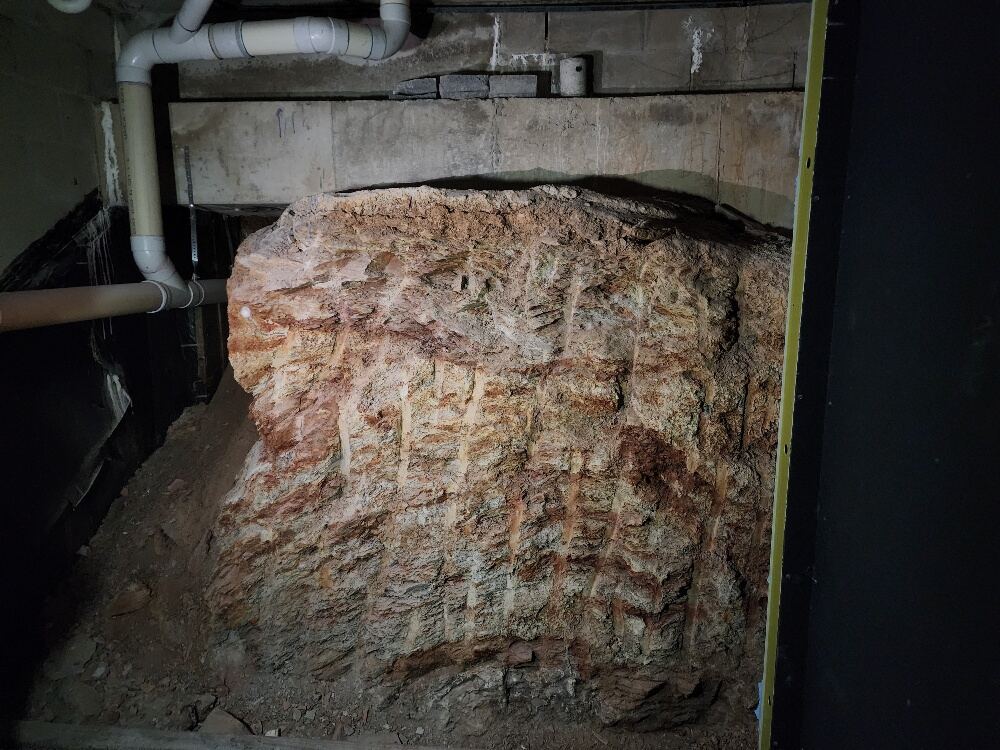
Every engineering project that involves new structures will most likely require a geotechnical investigation and geotechnical engineering input. The scope can vary extensively depending on project requirements. Generally, once parameters are set by the design engineer, they’re passed to the geotechnical authority, who plots the location and depth of the proposed soil test.
Depending on the requirements, this can involve anything from simple bore holes to establish the depth of underlying strata, through to Dynamic Cone Penetrometer (DCP) testing to determine bearing strength, and NATA-aligned laboratory testing to assess the reactivity of the strata. Once all data is collated, the geotechnical engineer makes recommendations based on your design engineer’s parameters.
A geotechnical investigation is only the first step in the overall design of a structure — care should always be taken to engage a competent, qualified provider. Over-testing (or worse, under-testing) can have serious consequences for the design life of your structures.
What's included
- ✓ Bore holes to establish strata depth
- ✓ Dynamic Cone Penetrometer (DCP) testing for bearing strength
- ✓ NATA-aligned laboratory testing for strata reactivity
- ✓ Engineering recommendations based on your design parameters
- ✓ Clear, defensible investigation reporting
Who this service is for
Design engineers and project teams planning substations, cable routes, solar and wind farms, or other civil infrastructure where ground conditions, high-load structures or deep excavations require an investigation before design sign-off.
Related questions
When are geotechnical investigations required?
Typically for substations, large cable routes, solar farms, wind farms and major civil works — especially where ground conditions are unknown, loads are high, or excavations are deep.
Why does provider quality matter?
A competent, qualified geotechnical provider avoids both over-testing and under-testing, either of which can seriously affect a structure's design life.
Starting a new engineering project?
Get a scoped, standards-aligned geotechnical investigation before your design is finalised.