
Soil Testing
Material evaluation for the purposes of designing structures — from simple particle sizing to complex triaxial testing, backed by highly reputable NATA-aligned laboratories.
What soil testing involves
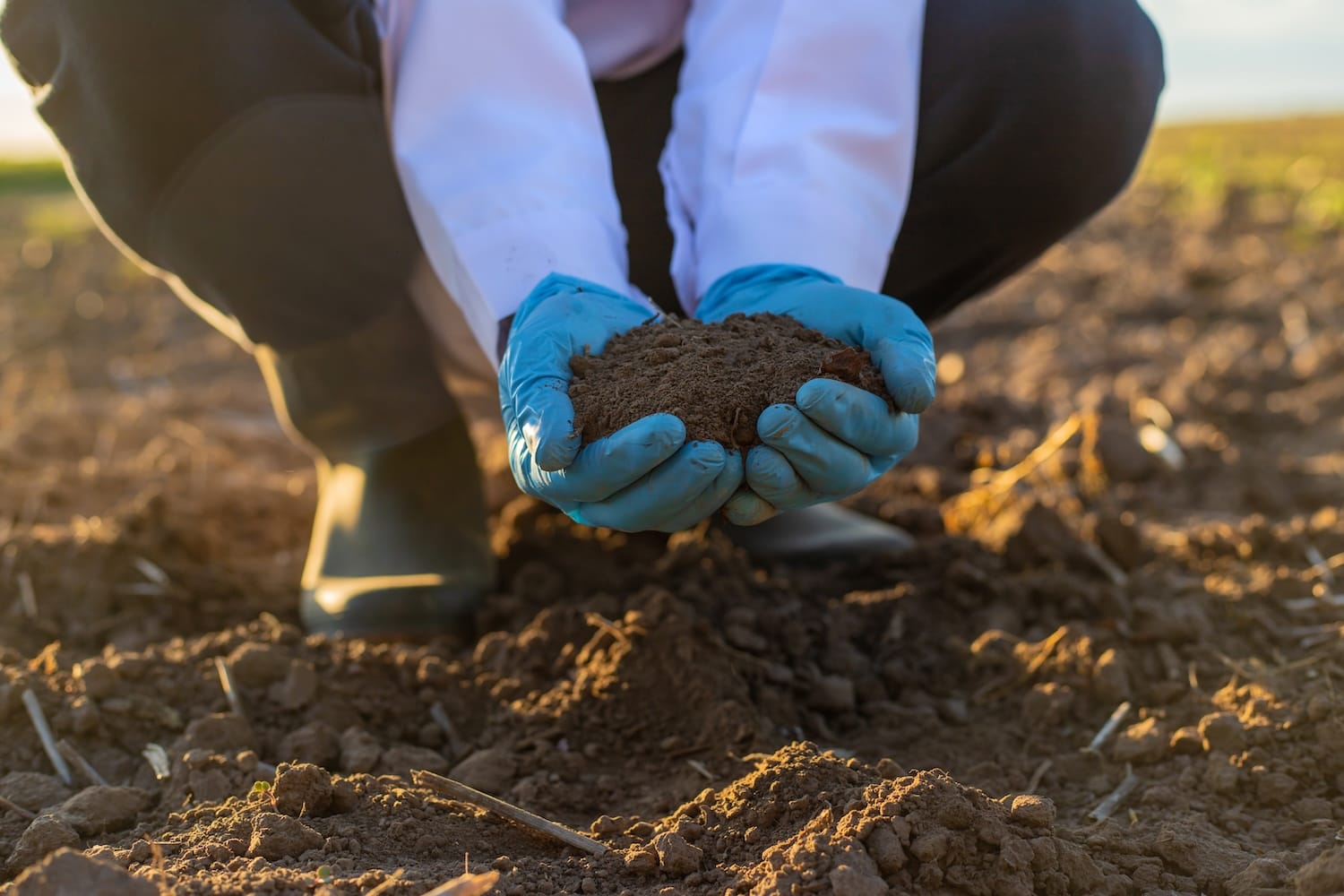
Soil consists of loose sedimentary deposits made up of four main materials: organics, solids, water and air, with solids comprising sand, clay, silt and gravel. In most engineering contexts, organics and topsoil are removed and do not factor into testing, though they should always be noted during investigation.
A soil test — or geotechnical investigation — is the evaluation of material for the purposes of designing structures. Depending on the engineering design, this can range from simple sizing of particles over a sieve set and assessing the reaction of fines to water, through to complex triaxial testing that measures the shearing capacity of disturbed and undisturbed samples.
Where required, Soiltester also provides geotechnical engineering advice as part of the service, and works with highly reputable NATA-aligned firms wherever possible for field and laboratory test analysis.
What's included
- ✓ Particle size distribution & sieve analysis
- ✓ Soil classification (sand, clay, silt, gravel)
- ✓ Reaction-to-water testing of fine material
- ✓ Triaxial testing of disturbed & undisturbed samples
- ✓ Geotechnical engineering advice on request
Who this service is for
Structural and civil engineers, developers and contractors who need reliable material evaluation before finalising foundation, pavement or earthworks design.
Related questions
How do you interpret a soil test report?
Review dry-out resistivity values, in-situ moisture content, soil classification and test conditions — paying close attention to worst-case values for conservative design.
What soil conditions commonly affect design?
Clay soils retain moisture but can shrink and crack when dry; sandy soils drain quickly and become resistive when dry; rock and uncontrolled fill create inconsistent conditions requiring engineered backfill.
Need soil evaluation for a design project?
From sieve analysis to full triaxial testing, we'll match the test to your engineering requirements.